

California’s AB 628: What Landlords Need to Do Before January 1, 2026
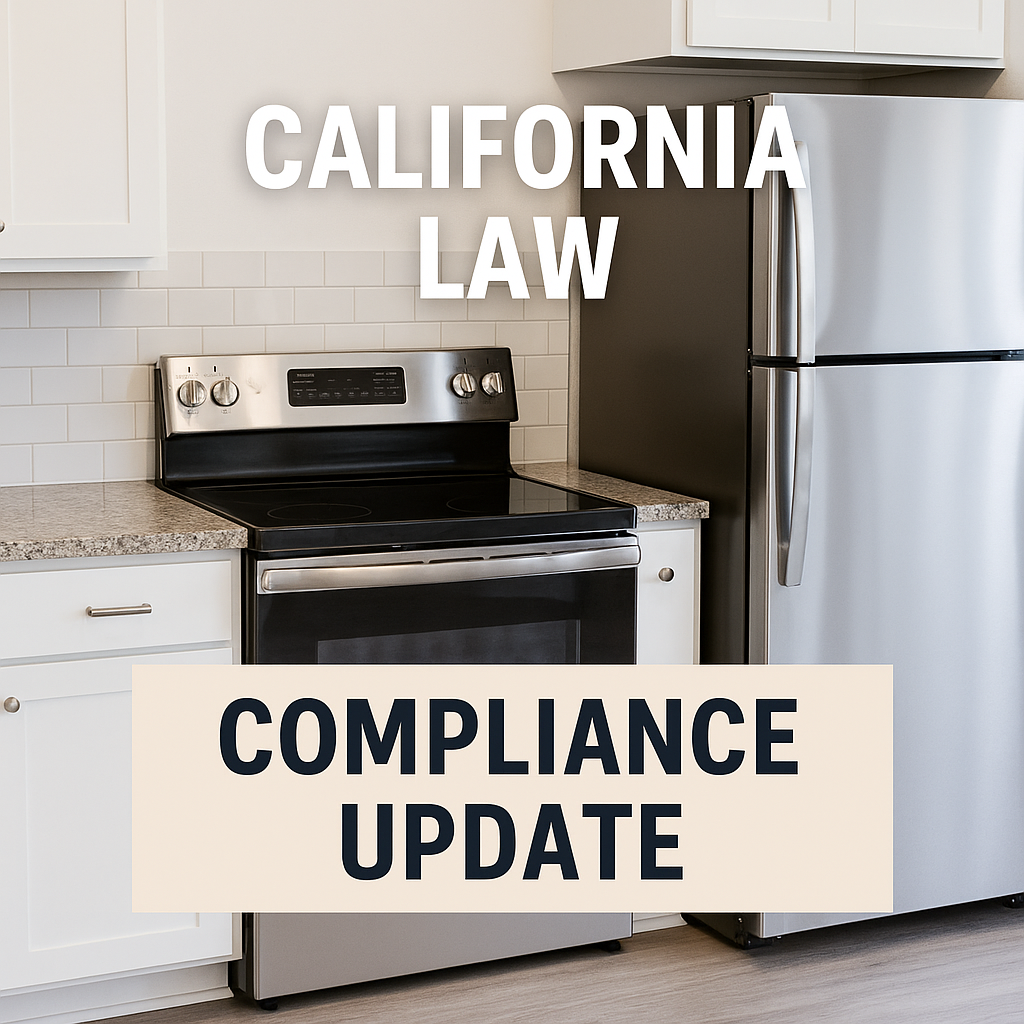
California landlords are facing a major regulatory change that will impact nearly every rental home in the state. Assembly Bill 628 (AB 628), signed in 2025, updates California’s habitability standards by requiring that landlords provide a working stove and a working refrigerator in almost all rental units.
As the effective date of January 1, 2026 approaches, now is the time for landlords to evaluate their properties and update their leasing practices. Failing to comply may expose owners to habitability disputes, rent withholding, and potential legal challenges. Preparing now helps reduce risk and ensures tenants receive safe, compliant housing.
At Real Property Management Ventura County, we assist owners in navigating new regulations and updating their systems before deadlines arrive.
What AB 628 Requires
Beginning January 1, 2026, any lease that is newly signed, renewed, or amended must comply with the following requirements:
- A working stove must be provided in every qualifying rental unit.
- A working refrigerator must also be supplied unless a tenant elects to provide their own and this is documented in the lease.
- Both appliances must be maintained in good working order throughout the tenancy.
- If an appliance is subject to a manufacturer recall, landlords must repair or replace it within 30 days.
The law also clarifies that even when tenants provide their own refrigerators, landlords remain responsible for ensuring the unit remains habitable and safe. If the tenant later decides not to provide a refrigerator, the owner must install one within 30 days.
Units Exempt From AB 628
Some housing types are excluded from the requirements, including:
- Residential hotels
- Group housing arrangements with shared kitchens
- Permanent supportive housing under specific state definitions
- Certain assisted-living or specialized housing programs
Documenting exemptions clearly is essential for avoiding disputes or compliance misunderstandings.
Why AB 628 Matters to Landlords
1. Higher Habitability Standards
Without a properly functioning stove and refrigerator, a unit may now qualify as untenantable. This can allow tenants to withhold rent, break the lease, or raise habitability issues in disputes or eviction actions.
2. Increased Costs and Infrastructure Needs
Owners of older buildings may need electrical upgrades, new circuits, gas line modifications, or appliance installation work. Planning ahead avoids last-minute expenses or delays.
3. Required Updates to Leases and Internal Systems
Lease templates, move-in checklists, maintenance workflows, and appliance-tracking systems must be updated before 2026. Our Owner Resources library provides compliant documents and guidance.
What Landlords Should Do Before January 1, 2026
✔ 1. Audit All Rental Units
Check which units currently include functional stoves and refrigerators, and note what upgrades may be required before the law takes effect.
✔ 2. Update Lease Agreements
- Add clear appliance disclosures.
- Use a refrigerator addendum when tenants supply their own.
- Document appliance condition at move-in.
✔ 3. Budget for Necessary Upgrades
Electrical or gas improvements may be required for older kitchens. Building these upgrades into your 2025–2026 planning prevents surprise capital costs.
✔ 4. Create or Update Your Maintenance & Recall Tracking System
Track model numbers, repair history, and recall notices. Our maintenance coordination team can assist with these processes.
✔ 5. Communicate with Tenants
Give tenants advance notice of appliance upgrades or installation timelines, especially before lease renewals in 2026.
How AB 628 Benefits Tenants
For renters, this law reduces move-in costs and ensures consistent access to essential appliances. For owners, compliant units tend to attract higher-quality tenants and reduce maintenance disputes.
Final Thoughts: Prepare Now for a Smooth Transition
Although AB 628 brings new responsibilities, early preparation makes compliance straightforward. By reviewing your portfolio, updating systems, and budgeting for upgrades, you can avoid legal risk and position your rentals for long-term success.
Need help preparing for California’s new rental laws? Contact the team at Real Property Management Ventura County through our Contact Page.
Stay informed on rental law updates through our Property Management Blog.
This content is provided for general informational and educational purposes only and does not constitute financial, legal, tax, or investment advice. Readers should consult with licensed professionals regarding their specific circumstances.
We are pledged to the letter and spirit of U.S. policy for the achievement of equal housing opportunity throughout the Nation. See Equal Housing Opportunity Statement for more information.
